Debt consolidation loans Singapore, a savvy solution for those tangled in a web of financial obligations, can turn chaos into clarity. Imagine being able to merge multiple debts into a single, manageable loan, simplifying your payments and potentially reducing your interest rates. Whether you’re facing rising credit card balances or lingering personal loans, understanding how these loans work can empower you to regain your financial footing.
In Singapore, debt consolidation loans operate by allowing individuals to combine their various debts into one loan, making payments easier to handle. The benefits are manifold, from streamlined payments to lowered interest rates, but it’s essential to weigh the options and understand the types available, eligibility criteria, and the application process. With knowledge, you can navigate this financial journey with confidence.
Overview of Debt Consolidation Loans in Singapore
Debt consolidation loans are financial products designed to help individuals streamline their debts by combining multiple loans into a single, manageable payment. This process can significantly ease the burden of handling various creditors and interest rates, providing a clearer path to financial stability. In Singapore, these loans have gained popularity as more people seek to manage their financial obligations effectively.Debt consolidation loans work by allowing borrowers to take out a new loan to pay off existing debts, typically high-interest credit cards or personal loans.
The key advantage is that it often comes with a lower interest rate compared to the rates of the individual debts being consolidated. In Singapore, financial institutions assess the borrower’s creditworthiness and financial situation to determine the loan amount and terms. Once approved, the lender pays off the existing debts directly, and the borrower is left with one single monthly payment.
Benefits of Utilizing Debt Consolidation Loans
Managing multiple debts can be overwhelming, but debt consolidation loans offer several benefits that can lead to improved financial health. These advantages include:
- Simplified Payments: Instead of juggling multiple due dates and amounts, borrowers make one payment each month.
- Lower Interest Rates: Many consolidation loans come with lower interest rates, which can lead to significant savings over time.
- Improved Credit Score: By consolidating debts and making timely payments, borrowers can positively impact their credit scores.
- Fixed Repayment Schedule: Borrowers benefit from predictable monthly payments, making it easier to budget effectively.
The above benefits illustrate how debt consolidation loans can be a strategic move for those looking to regain control over their finances.
“Debt consolidation is not just about combining debts; it’s about creating a manageable financial future.”
The process of obtaining a debt consolidation loan typically involves careful evaluation of one’s financial situation, including income, expenses, and credit history. This assessment helps determine the most suitable loan option and repayment plan, ensuring that borrowers are equipped to succeed in their financial journey. In Singapore, various financial institutions, including banks and licensed moneylenders, offer tailored debt consolidation solutions to meet the diverse needs of borrowers.
This competitive landscape allows individuals to shop around for the best rates and terms, fostering a more consumer-friendly environment.
Types of Debt Consolidation Loans Available
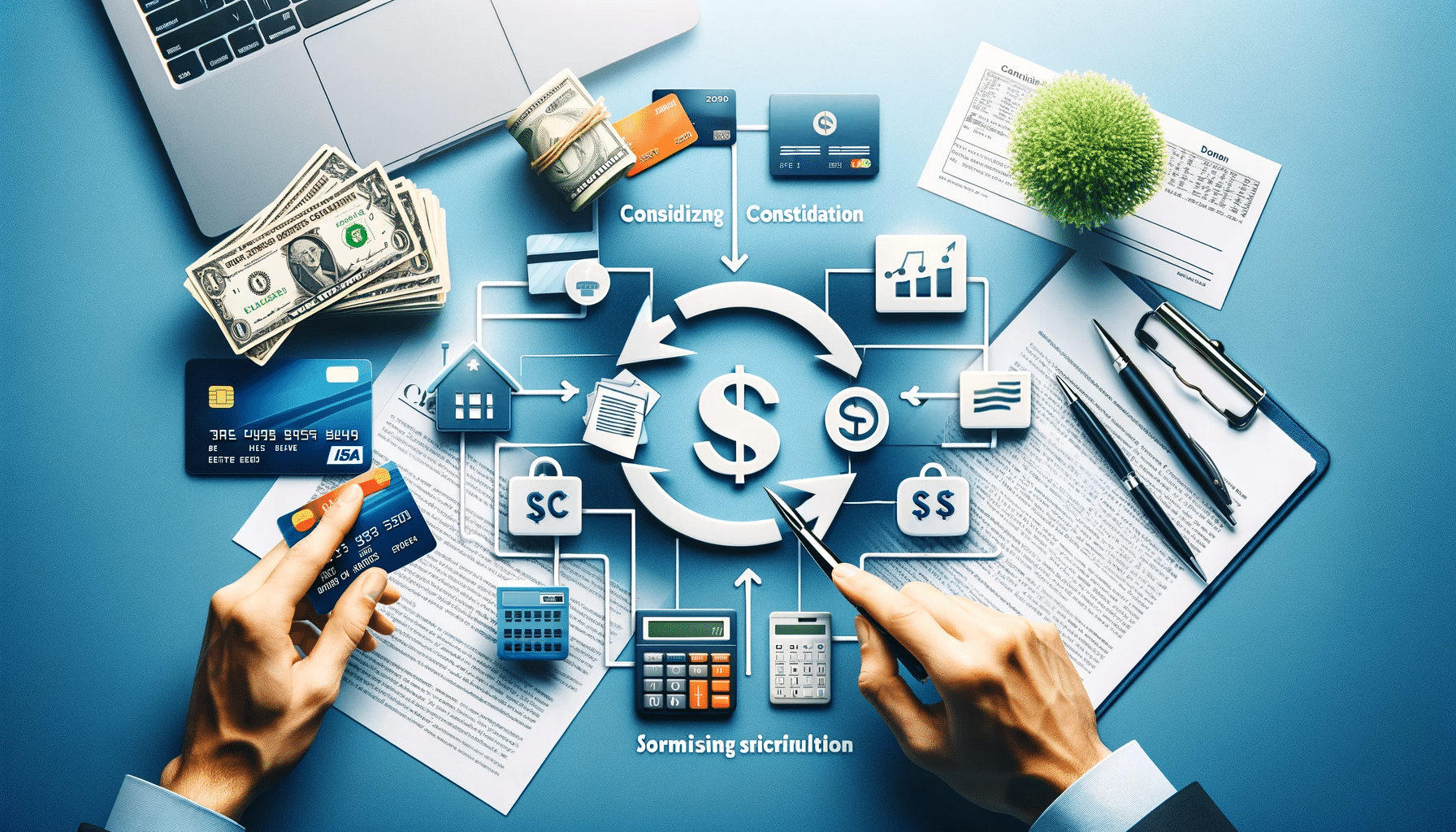
In Singapore, debt consolidation loans come in various forms to cater to different financial needs. Understanding these types is crucial for individuals seeking effective solutions to manage their debts and regain financial stability. The key variations in these loans can significantly impact the repayment process and overall financial health.
Secured and Unsecured Debt Consolidation Loans
Debt consolidation loans can be classified into two main categories: secured and unsecured loans. Each type offers distinct advantages and considerations that borrowers should evaluate before making a decision.
- Secured Debt Consolidation Loans: These loans require collateral, such as property or savings, which reduces the lender’s risk. Borrowers may benefit from lower interest rates due to this security. However, defaulting on payments can lead to the loss of the collateral.
- Unsecured Debt Consolidation Loans: These loans do not require any collateral, making them less risky for the borrower. Typically, they come with higher interest rates than secured loans. Borrowers rely on their creditworthiness to qualify, and while they avoid the risk of losing assets, they might face stricter borrowing limits.
Features of Personal Loans for Debt Consolidation
Personal loans are a popular choice for debt consolidation in Singapore, offering flexibility and quick access to funds. These loans are unsecured, which means they do not require collateral. Here are the essential features of personal loans that make them suitable for this purpose:
- Flexible Loan Amounts: Personal loans generally allow borrowers to access varying amounts, tailored to their specific debt consolidation needs.
- Fixed or Variable Interest Rates: Borrowers can choose between fixed rates, which provide stability in monthly repayments, or variable rates that may change over time.
- Shorter Loan Tenures: Many personal loans offer shorter repayment periods, which can facilitate quicker debt resolution but may also result in higher monthly payments.
- Quick Approval Process: Lenders often have streamlined approval processes for personal loans, allowing borrowers to receive funds rapidly to pay off existing debts.
- No Collateral Requirement: As unsecured loans, personal loans do not require collateral, making them more accessible to a broader range of borrowers.
“Choosing the right type of debt consolidation loan can significantly influence your financial well-being and help in managing multiple debts efficiently.”
Eligibility Criteria for Debt Consolidation Loans: Debt Consolidation Loans Singapore
Obtaining a debt consolidation loan in Singapore involves meeting specific eligibility criteria set by financial institutions. Understanding these requirements is crucial for anyone looking to simplify their debt management and improve their financial health.
Common Eligibility Requirements, Debt consolidation loans Singapore
To qualify for a debt consolidation loan, borrowers must meet certain fundamental criteria. These typically include factors such as age, residency status, and existing debt levels.
- Age: Applicants must be at least 21 years old.
- Residency: Only Singapore citizens or permanent residents can apply for these loans.
- Debt-to-Income Ratio: A maximum debt-to-income ratio is often required to ensure that borrowers can manage repayments.
Impact of Credit Scores on Eligibility
A key determinant of eligibility for debt consolidation loans is the applicant’s credit score. Financial institutions use credit scores to assess the risk associated with lending.
A higher credit score increases the likelihood of loan approval and can lead to more favorable interest rates.
- Credit Score Range: Generally, a score of 650 and above is favored for approval.
- Credit History: A clean credit history with timely repayments enhances approval chances.
- Negative Marks: Defaults or bankruptcies can significantly hinder eligibility.
Income Requirements and Documentation
Income stability is a crucial factor in determining eligibility for a debt consolidation loan. Lenders typically require proof of a steady income to ensure that borrowers can make regular repayments.
- Minimum Income: Most lenders have a minimum monthly income requirement, often around SGD 2,000 to SGD 3,000.
- Documentation: Applicants must provide relevant documents such as payslips, bank statements, and tax returns.
- Employment Status: A stable job history is preferred, with a minimum duration of employment at the current job.
Application Process for Debt Consolidation Loans
The application process for debt consolidation loans in Singapore can seem daunting, but with a clear understanding of the steps involved, you can navigate it successfully. This process is designed to help you combine multiple debts into a single loan with potentially lower interest rates and more manageable repayment terms.The application process typically involves several key steps, from initial assessment to loan disbursement.
Below is a detailed guide to help you understand what to expect.
Step-by-Step Process of Applying for Debt Consolidation Loans
To effectively apply for a debt consolidation loan, follow these steps:
1. Evaluate Your Financial Situation
Assess your total debts and determine whether consolidation is a suitable option.
2. Research Lenders
Explore different financial institutions and compare their loan offerings, interest rates, and terms.
3. Check Eligibility
Ensure you meet the eligibility criteria set by the lender, which may include income level, credit score, and existing debts.
4. Prepare Required Documents
Gather necessary documentation to support your application (see checklist below).
5. Complete the Application Form
Fill out the loan application accurately, providing all requested information.
6. Submit the Application
Submit your application either online or in-person, depending on the lender’s process.
7. Wait for Approval
The lender will review your application and documentation.
8. Receive Loan Offer
If approved, review the loan offer, including terms and conditions.
9. Accept the Loan
Sign the agreement, and return it to the lender to finalize the process.1
0. Disbursement of Funds
Once the loan is finalized, the funds will be disbursed to pay off your existing debts.
Checklist of Documents Required During the Application
Having the right documents ready can expedite the application process. Here are the typical documents you will need:
- Identity proof (NRIC or Passport)
- Proof of income (latest payslips, tax returns, or CPF statement)
- Bank statements (last 3-6 months)
- Details of existing debts (statements from creditors)
- Employment letter (if applicable)
- Credit report (optional but beneficial)
Typical Timelines for Approval and Disbursement of Loans
Understanding the expected timelines for loan approval and disbursement helps in planning your finances effectively. Generally, the timeline can vary based on the lender and the complexity of your application.
Application Review
Typically takes 1 to 3 working days.
Approval Notification
You can expect to hear back regarding your application status within 3 to 7 working days.
Documentation and Finalization
Once approved, finalizing the loan agreement may take an additional 1 to 2 working days.
Disbursement of Funds
Once all documentation is completed, funds are usually disbursed within 1 to 3 working days.
Timely preparation and accurate information can significantly reduce the overall application timeline.
Potential Risks and Considerations
Understanding the potential risks and considerations associated with debt consolidation loans is crucial for anyone looking to manage their debts effectively. While these loans can simplify repayments and reduce interest rates, they come with their own set of challenges that borrowers must be aware of to make informed decisions.
Risks Associated with Debt Consolidation Loans
Debt consolidation loans can lead to various risks if not approached with caution. Borrowers should be fully aware of these risks to avoid exacerbating their financial situation. Here are some important considerations:
- Higher Total Interest Costs: While a debt consolidation loan may offer lower interest rates initially, extending the repayment term could lead to paying more in interest over the long run.
- Potential for Increased Debt: Some borrowers may be tempted to accumulate new debts after consolidating, which can lead to a cycle of debt that is harder to break.
- Fees and Charges: Many debt consolidation loans come with fees that can reduce the overall benefit of consolidating debts. It’s essential to factor these costs into your calculations.
Understanding the Terms and Conditions
Before taking out a debt consolidation loan, it is vital to thoroughly understand the loan’s terms and conditions. Awareness of the fine print can significantly impact your financial health.
- Interest Rates: Ensure that the interest rates are fixed or variable and understand how they may change over time.
- Repayment Terms: Know the length of the repayment period and any penalties for early repayment.
- Loan Amount: Be clear about the total amount being borrowed and how much of it will go toward paying off existing debts.
Impact on Credit Scores
Consolidating debt can have both positive and negative impacts on credit scores, depending on how the process is managed. Awareness of these effects can help borrowers navigate the consolidation process more effectively.
- Initial Credit Score Dip: Taking out a new loan may lead to a temporary decrease in credit scores due to hard inquiries and increased credit utilization.
- Long-term Benefits: Consistently making on-time payments on the consolidation loan can improve your credit score over time by establishing a positive payment history.
- Debt-to-Income Ratio: Lowering your total debt through consolidation can lead to a better debt-to-income ratio, positively affecting your creditworthiness.
Comparing Lenders for Debt Consolidation Loans

In the realm of debt consolidation loans in Singapore, choosing the right lender is crucial for managing financial burdens effectively. Each lender can vary significantly in terms of interest rates, loan terms, and eligibility requirements. An informed decision can lead to lower repayments and more favorable terms, making it essential to evaluate your options thoroughly.When comparing lenders, it is important to examine the specific features of their debt consolidation loans, including interest rates, repayment terms, and additional fees.
This allows borrowers to find the most suitable loan for their financial situation.
Comparison of Lenders in Singapore
The following table highlights key features of various lenders providing debt consolidation loans in Singapore. It includes interest rates, repayment terms, and other relevant details to facilitate comparison.
| Lender | Interest Rate (Annual %) | Loan Terms (Months) | Minimum Amount | Processing Fees |
|---|---|---|---|---|
| Bank A | 3.5% | 12 – 60 | S$10,000 | S$200 |
| Bank B | 4.0% | 24 – 48 | S$5,000 | S$150 |
| Bank C | 3.8% | 12 – 72 | S$8,000 | S$100 |
| Bank D | 4.2% | 6 – 60 | S$15,000 | S$250 |
Selecting a lender involves various factors beyond just interest rates. Here are some important aspects to consider:
- Reputation: Research the lender’s reputation for customer service and reliability. Look for customer reviews and ratings.
- Flexibility: Consider the flexibility in repayment terms and whether the lender allows early repayment without penalties.
- Fees: Evaluate all associated fees such as processing fees, late payment charges, and any other hidden costs.
- Support: Assess the level of customer support available. A lender with responsive support can help resolve issues quickly.
Negotiating better loan terms can significantly impact your financial situation. Here are some effective tips for negotiating with lenders:
- Research: Gather data on interest rates and terms from multiple lenders to strengthen your negotiating position.
- Present Your Case: Share your financial history, income stability, and repayment capacity to justify your request for better terms.
- Ask for Discounts: Inquire about potential discounts for upfront payments or loyalty to the lender.
- Be Prepared to Walk Away: Indicate that you are considering other lenders and are willing to explore other options if your needs are not met.
By evaluating the features of different lenders and being proactive in negotiations, borrowers can secure more favorable debt consolidation loans, paving the way for improved financial health.
Alternatives to Debt Consolidation Loans

Debt consolidation loans can be a viable option for managing multiple debts, but they aren’t the only avenue available for financial relief. Individuals in Singapore facing debt challenges have several alternative options, each with unique benefits and considerations. Exploring these alternatives can help borrowers choose the most suitable path for their financial situation and goals.
Overview of Alternative Debt Relief Options
Several alternatives can provide relief from debt burdens without the need for consolidation loans. These options may include debt management plans, credit counseling, and even personal bankruptcy in extreme cases. Each alternative has its pros and cons, which can influence a debtor’s decision based on their unique circumstances.
Comparison of Debt Management Plans with Debt Consolidation Loans
Debt management plans (DMPs) and debt consolidation loans are two different strategies designed to help individuals manage their debts. Understanding their differences can aid in selecting the most appropriate option.
-
Debt Management Plans:
DMPs involve working with a credit counseling agency to create a plan that consolidates your payments into one monthly fee. The agency negotiates lower interest rates with creditors on your behalf. -
Debt Consolidation Loans:
These loans allow you to pay off existing debts through a single loan, ideally at a lower interest rate. This approach simplifies payments but may not address underlying financial issues.
The choice between a DMP and a debt consolidation loan often hinges on personal financial situations. A DMP may be more suitable for those struggling with budgeting, while a consolidation loan may be favorable for those with stable income and credit.
Role of Financial Counseling in Managing Debts Effectively
Financial counseling plays a pivotal role in effective debt management. Counselors provide personalized guidance, helping individuals understand their financial situation and develop strategies tailored to their needs.
“Financial counseling empowers individuals to take control of their finances by instilling budgeting skills and promoting responsible financial habits.”
Counselors often assist in evaluating all available options, including negotiating with creditors, developing budgets, and creating DMPs. This proactive approach not only offers immediate relief but also fosters long-term financial stability. Overall, exploring these alternatives can lead to more informed decisions and ultimately a healthier financial future.
Question Bank
What is a debt consolidation loan?
A debt consolidation loan is a financial product that allows you to merge multiple debts into one single loan, simplifying your monthly payments and potentially reducing your interest rates.
Who is eligible for debt consolidation loans in Singapore?
Eligibility typically requires a stable income, a good credit score, and minimum documentation such as proof of income and identity.
How long does the application process take?
The application process can vary but typically takes a few days to a couple of weeks, depending on the lender and the completeness of your application.
What are the risks associated with debt consolidation loans?
Risks include potentially incurring more debt if not managed properly, and possible negative impacts on your credit score if loan terms are not understood.
Are there alternatives to debt consolidation loans?
Yes, alternatives include debt management plans, balance transfer credit cards, or seeking financial counseling to explore other debt relief options.
