Debt consolidation loans Ireland, a beacon for those navigating the turbulent waters of financial obligations, offer an effective solution for managing multiple debts under one umbrella. This financial strategy can streamline your payments, potentially lowering interest rates and simplifying your monthly budgeting.
As we explore the ins and outs of debt consolidation loans, we’ll uncover how they operate, the various types of debt you can consolidate, and the potential benefits and drawbacks of this approach. This guide will navigate you through the process of obtaining these loans in Ireland, shedding light on interest rates, legal considerations, and even personal success stories.
Understanding Debt Consolidation Loans
Debt consolidation loans serve as a strategic financial tool designed to help individuals manage multiple debts more effectively. By combining various debts into a single loan with a potentially lower interest rate, borrowers can simplify their repayment process and achieve financial stability. This method not only streamlines payments but also reduces the overall interest burden, making it an appealing option for many.Debt consolidation loans work by allowing borrowers to take out a new loan that pays off existing debts, such as credit cards, medical bills, and personal loans.
Once the debts are consolidated, the borrower is left with only one monthly payment, which can often feature lower interest rates compared to the original debts. This approach can lead to reduced monthly payments and a clearer path towards debt elimination.
Benefits of Using Debt Consolidation Loans
Utilizing debt consolidation loans presents several advantages that can enhance an individual’s financial well-being. These benefits include:
- Simplified Payments: Managing one monthly payment instead of multiple payments can significantly reduce the stress associated with debt management.
- Lower Interest Rates: Many consolidation loans offer interest rates that are lower than those of credit cards and other unsecured debts, leading to long-term savings.
- Improved Credit Score: Consolidating debts can positively impact a credit score by reducing credit utilization ratios and improving payment history.
- Fixed Payment Terms: Many consolidation loans come with fixed payment terms, allowing borrowers to plan their budgets more effectively.
Common Types of Debt That Can Be Consolidated, Debt consolidation loans Ireland
Various forms of debt are eligible for consolidation, each presenting unique challenges and opportunities for borrowers. Understanding these types is crucial for effective debt management:
- Credit Card Debt: High-interest credit card debts are a common target for consolidation due to their escalating interest rates.
- Medical Bills: Unexpected medical expenses can lead to significant debt, making consolidation a viable option for repayment.
- Personal Loans: Unsecured personal loans can be consolidated to simplify repayments and lower interest costs.
- Student Loans: While not all student loans can be consolidated, some federal loans offer consolidation options that can ease financial burdens.
Debt consolidation loans can transform a chaotic financial situation into a manageable repayment plan, providing borrowers with the clarity and structure they need to regain control over their finances.
The Process of Obtaining Debt Consolidation Loans in Ireland
The journey to securing a debt consolidation loan in Ireland involves several key steps and careful consideration of documentation and lender requirements. Understanding this process can empower borrowers to navigate their financial options confidently and effectively.To obtain a debt consolidation loan, borrowers must follow a systematic approach that includes preparation, application, and approval stages. Each step is crucial as it determines the likelihood of successfully securing a loan that meets financial needs.
Steps Involved in Applying for a Debt Consolidation Loan
The application process for a debt consolidation loan consists of several important steps that ensure borrowers are well-prepared before they approach lenders. These steps help streamline the process and improve the chances of loan approval.
1. Assess Your Financial Situation
Begin by evaluating your total debt, income, and monthly expenses. Understanding your financial standing is key to determining how much you need to borrow.
2. Research Lenders
Look for financial institutions or online lenders that offer debt consolidation loans. Comparing interest rates, terms, and fees can help you find the best option.
3. Gather Required Documentation
Collect necessary documents, including proof of income, identification, and details of existing debts. This will help the lender assess your application.
4. Submit Your Application
Fill out the loan application form accurately and submit it along with your documentation. Ensure all information is complete to avoid delays.
5. Await Approval
After submission, the lender will review your application and documents. This can take from a few days to a couple of weeks, depending on the lender.
6. Review Loan Offer
If approved, carefully read the loan offer, including terms, interest rates, and repayment schedule. Ensure it aligns with your financial goals before accepting.
7. Receive Funds
Upon acceptance, funds will be disbursed, allowing you to pay off existing debts and consolidate them into a single loan.
Documentation Required for the Application Process
Having the right documentation is essential for a smooth application process. Lenders require specific information to evaluate your creditworthiness and financial stability.The following documents are typically required when applying for a debt consolidation loan:
Proof of Identity
A valid government-issued ID, such as a passport or driver’s license.
Proof of Income
Recent payslips, tax returns, or bank statements that demonstrate your income level.
Details of Existing Debts
A list of your current debts, including outstanding balances, account numbers, and monthly payments for each creditor.
Credit Report
Some lenders may request your credit report to assess your credit history and score.
Factors Lenders Consider When Approving Loans
Lenders evaluate various factors when deciding on loan applications for debt consolidation. Understanding these factors can help borrowers prepare and enhance their approval chances.Key factors include:
Credit Score
Lenders typically examine your credit score to assess your creditworthiness. A higher score may increase your chances of approval and favorable interest rates.
Debt-to-Income Ratio
This ratio measures the percentage of your income that goes toward debt payments. A lower ratio suggests better financial health and may favor loan approval.
Employment Stability
Lenders prefer borrowers with steady employment, as it indicates a reliable income source. Job tenure and stability can play significant roles in the decision-making process.
Loan Amount Requested
The amount you wish to borrow should be reasonable compared to your income and existing debts. Too high of a request may lead to denial.
Financial History
Your overall financial behavior, including previous loan repayments and any defaults, is closely monitored by lenders.
Understanding the application process and lender considerations can significantly increase your chances of obtaining a debt consolidation loan.
Interest Rates and Terms Associated with Debt Consolidation Loans
Debt consolidation loans can offer borrowers a more manageable way to deal with multiple debts, but understanding the associated interest rates and terms is crucial. In Ireland, these factors play a significant role in determining the overall cost of borrowing and the financial implications for borrowers.
Average Interest Rates for Debt Consolidation Loans
Interest rates can vary widely based on various factors, including the lender, the borrower’s credit score, and the type of loan. In Ireland, the average interest rates for debt consolidation loans generally range from 6% to 11%.
- For borrowers with excellent credit ratings, rates may start as low as 5.5%.
- Conversely, those with poor credit may see rates exceeding 15%.
These rates reflect the lender’s assessment of risk and the overall economic climate in Ireland. A lower interest rate can significantly reduce the total amount repaid over the loan’s lifetime.
Typical Repayment Terms and Implications
Repayment terms for debt consolidation loans usually span from 1 to 7 years, depending on the loan amount and lender’s policies.
- A shorter loan term often leads to higher monthly payments but less total interest paid.
- A longer term can reduce monthly payments but might result in paying more in interest over time.
Borrowers need to assess their financial situation to choose the most suitable term, as it greatly impacts their budget and financial planning.
Fixed vs. Variable Interest Rates in Loan Agreements
When choosing a debt consolidation loan, borrowers often face the decision between fixed and variable interest rates.
- Fixed interest rates remain constant throughout the loan term, providing stability and predictability in monthly payments, which can be particularly beneficial in times of rising interest rates.
- Variable interest rates can fluctuate based on market conditions, which might offer lower initial rates but can lead to increased payments if rates rise. Borrowers should consider their risk tolerance when making this decision.
For instance, a fixed-rate loan at 7% ensures that the borrower pays the same interest rate for the entire term, while a variable-rate loan starting at 5% might increase to 10% if market conditions change.
Pros and Cons of Debt Consolidation Loans
Debt consolidation loans can be a strategic financial tool for those looking to manage multiple debts. Understanding the benefits and drawbacks is crucial for making an informed decision.
Advantages of Debt Consolidation Loans
Debt consolidation loans offer several appealing benefits that can significantly improve your financial situation. Here are the key advantages to consider:
- Simplified Payments: Consolidating multiple debts into a single loan means only one monthly payment, making it easier to manage.
- Lower Interest Rates: Many debt consolidation loans come with lower interest rates compared to credit cards or unsecured loans, potentially saving you money.
- Improved Credit Score: Reducing your overall debt and making timely payments can positively impact your credit score over time.
- Fixed Repayment Terms: Many consolidation loans offer fixed terms, allowing for predictable monthly payments and a clear end to your debt.
- Stress Reduction: Having one manageable payment can reduce the stress associated with juggling multiple debts.
Disadvantages of Debt Consolidation Loans
While debt consolidation can be beneficial, it is important to be aware of potential risks and drawbacks that could arise from this financial strategy. Here are some disadvantages to consider:
- Fees and Charges: Some consolidation loans may come with upfront fees, origination fees, or prepayment penalties that can add to your debt.
- Risk of Accumulating More Debt: If not managed carefully, individuals may end up accruing more debt after consolidating, particularly if credit cards are used again.
- Collateral Risks: Secured loans require collateral, such as a home or car, which could be at risk if payments are missed.
- Potential for Higher Long-Term Cost: Depending on the loan terms, you may pay more in interest over the life of the loan if the repayment period is extended.
- Not a One-Size-Fits-All Solution: Debt consolidation may not be suitable for everyone, especially those with severe financial issues or limited income.
Comparison of Debt Consolidation Loans with Other Debt Relief Options
To better understand where debt consolidation loans stand in relation to other debt relief solutions, here’s a comparative table:
| Debt Relief Option | Pros | Cons |
|---|---|---|
| Debt Consolidation Loans | Simplified payments, lower interest rates, fixed terms | Fees, risk of more debt, requires good credit |
| Debt Settlement | Can reduce total debt owed, quick relief | Negative impact on credit score, potential legal issues |
| Bankruptcy | Can discharge most debts, legal protection | Long-term credit damage, loss of assets |
| Credit Counseling | Expert advice, potential for lower payments | May not eliminate debt, some fees involved |
Alternative Solutions to Debt Consolidation Loans: Debt Consolidation Loans Ireland

Managing debt effectively requires exploring various strategies beyond debt consolidation loans. While these loans can simplify payments, individuals facing financial challenges may find other solutions more appropriate for their unique situations. Understanding these alternatives can empower individuals to take control of their debt.
Other Methods for Managing Debt
There are several viable alternatives to debt consolidation loans that individuals can consider. Each option has distinct advantages, depending on personal circumstances. Here are some noteworthy methods:
- Debt Snowball Method: This strategy involves paying off the smallest debts first while making minimum payments on larger debts. As smaller debts are eliminated, individuals gain momentum and motivation to tackle larger debts.
- Debt Avalanche Method: In this approach, individuals focus on paying off debts with the highest interest rates first. This strategy can save money on interest payments over time.
- Budgeting: Creating and maintaining a detailed budget helps individuals track income and expenses. It enables better financial planning and can prevent future debt accumulation.
- Negotiating Settlements: Some individuals negotiate with creditors to settle debts for less than the full amount owed. This can alleviate financial burdens but may impact credit scores.
Financial Counseling Resources in Ireland
For those who may feel overwhelmed by their debt, financial counseling services provide valuable support and guidance. These resources can help individuals gain insight into their finances and develop actionable plans. Key resources available in Ireland include:
- MABS (Money Advice and Budgeting Service): A free service that offers advice and support for managing debt and budgeting effectively. MABS assists individuals in negotiating with creditors and approaching financial challenges strategically.
- Credit Counselling Ireland: This organization provides professional financial counseling to individuals facing debt issues. They help clients understand their financial situations and develop tailored debt management plans.
- Citizens Information Service: A national service offering information on rights and entitlements, including debt management options. They provide access to resources that can help individuals make informed financial decisions.
Negotiating with Creditors
Negotiating directly with creditors can be an effective way to manage debt outside of consolidation loans. The process often involves several steps that require preparation and a clear understanding of one’s financial position.
Effective negotiation can lead to reduced payment amounts, lower interest rates, or extended payment terms.
When negotiating, individuals should:
- Gather Relevant Information: Collect all necessary documents, including account statements, payment history, and current financial information, to present a clear picture of the situation.
- Contact Creditors: Reach out to creditors directly, preferably through written communication. Clearly explain the financial difficulties faced and request a meeting or phone call to discuss options.
- Propose Realistic Solutions: Offer specific proposals based on what can realistically be afforded. This may include lower monthly payments or a lump sum settlement.
- Document Everything: Keep records of all communications with creditors, including dates, times, and the details of what was discussed. This documentation can be useful in case of disputes.
Legal Considerations and Regulations in Ireland
Understanding the legal landscape surrounding debt consolidation loans in Ireland is crucial for borrowers. The regulations are designed to protect consumers while ensuring fair lending practices. In this section, we will explore the framework that governs debt consolidation loans, consumer rights, and the role of regulatory bodies in Ireland.
Regulatory Framework Governing Debt Consolidation Loans
In Ireland, the legal environment for debt consolidation loans is shaped by several key regulations aimed at safeguarding consumer interests. The Central Bank of Ireland (CBI) plays a pivotal role in this regulatory framework, ensuring that lending practices adhere to established standards. The Consumer Credit Act 1995 is a significant piece of legislation that governs the provision of credit, including debt consolidation loans.
This act mandates lenders to provide clear information regarding the terms and conditions of loans, including interest rates and charges. Key aspects of the regulatory framework include:
- Mandatory information disclosure: Lenders are required to present all costs related to the loan transparently.
- Consumer protection: The law prohibits misleading advertising and ensures that consumers are treated fairly throughout the borrowing process.
- Right to cancel: Borrowers have the right to cancel a loan agreement within a specified period without incurring penalties.
Consumer Rights Related to Debt Consolidation
Consumers engaging with debt consolidation loans in Ireland possess various rights that ensure they are treated fairly and transparently. These rights empower borrowers to make informed decisions and seek redress when necessary.Some key consumer rights include:
- Access to information: Borrowers have the right to receive comprehensive details about loan terms, repayment schedules, and total costs involved.
- Fair treatment: Lenders must adhere to ethical practices, ensuring that borrowers are not subjected to aggressive or unfair collection tactics.
- Right to a cooling-off period: Consumers can reconsider their decision and withdraw from the loan agreement within a specified timeframe.
Role of the Central Bank of Ireland
The Central Bank of Ireland serves as the primary regulatory authority overseeing the lending landscape, including debt consolidation loans. Its functions include setting guidelines, monitoring compliance, and protecting consumer interests.The CBI’s responsibilities encompass:
- Regulating credit institutions: The bank ensures that all lending entities comply with legal standards and consumer protection regulations.
- Consumer education: The CBI provides resources and information to help borrowers understand their rights and responsibilities.
- Enforcement measures: The bank has the authority to impose sanctions on lenders that violate regulations, ensuring accountability within the industry.
“Understanding your rights and the legal framework governing debt consolidation loans can significantly enhance your borrowing experience in Ireland.”
Impact of Debt Consolidation on Credit Scores
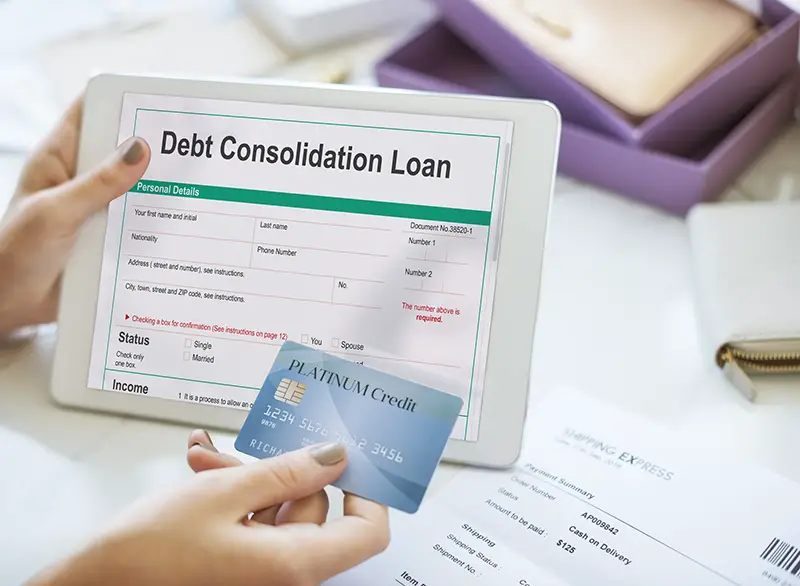
Debt consolidation can be a double-edged sword when it comes to managing your credit score. On one hand, it can provide relief from overwhelming debt, but on the other, it can initially have adverse effects on your credit score. Understanding these impacts is crucial for anyone considering this financial strategy.Consolidating debts typically involves taking out a new loan to pay off existing debts.
This process can influence your credit score in several ways. Initially, when you apply for a debt consolidation loan, a hard inquiry is made on your credit report, which can lead to a slight dip in your score. However, if managed properly, debt consolidation can lead to improved credit over time by reducing your overall credit utilization and ensuring timely payments.
Effects of Debt Consolidation on Credit Scores
The effects of debt consolidation on credit scores can be categorized into immediate and long-term impacts. Understanding both perspectives will help in navigating your credit journey effectively.
- Initial Hard Inquiry: When you apply for a loan, lenders conduct a hard inquiry which can lower your credit score by a few points.
- Reduction in Credit Utilization: By paying off multiple debts, your overall credit utilization ratio decreases, which can positively affect your score over time.
- Payment History Improvement: Consistently making payments on your new loan can enhance your payment history, a significant factor in credit scoring models.
- Credit Mix Considerations: Debt consolidation introduces a new type of credit, but closing old accounts too quickly can negatively impact your credit mix.
Strategies for Maintaining or Improving Credit Scores Post-Consolidation
After consolidating your debts, there are several strategies to consider that can help maintain or even improve your credit score.
- Timely Payments: Always pay your consolidated loan on time to build a positive payment history.
- Avoid New Debt: Resist the temptation to accumulate new debts while paying off your consolidation loan.
- Maintain Old Accounts: Keep older credit accounts open to lengthen your credit history, which is beneficial for your score.
- Regular Credit Monitoring: Check your credit reports regularly to ensure accuracy and catch any errors that could affect your credit score.
Timeline for Changes in Credit Scores
The timeline for seeing changes in your credit score after debt consolidation varies based on individual circumstances but generally follows a predictable pattern.
- Immediate Impact: Expect a small drop in your score right after the hard inquiry and loan application.
- Short-Term Recovery: Within a few months of timely payments, you may start to see your score stabilize and gradually improve.
- Long-Term Improvement: With consistent responsible credit behavior, significant improvements can be seen within 6 to 12 months.
The journey to improving your credit score after debt consolidation requires patience and commitment, as positive changes can take time to manifest.
Personal Stories and Case Studies

Debt consolidation loans can transform lives, providing individuals with a pathway out of financial turmoil. This section delves into real-life stories of borrowers who harnessed the power of debt consolidation to achieve financial stability, illustrating their journeys, challenges, and the lasting impacts on their lives.
Case Study 1: Maria’s Journey to Financial Freedom
Maria, a 35-year-old single mother from Dublin, found herself overwhelmed with credit card debt and personal loans totaling €15,000. After realizing that her monthly payments were consuming a significant portion of her income, Maria sought a debt consolidation loan. The initial challenge was securing a loan with a reasonable interest rate. Maria spent hours researching lenders and negotiating terms. Finally, she was approved for a €15,000 loan at a lower interest rate, allowing her to pay off all her debts in one fell swoop.With a single monthly payment of €300 at a manageable interest rate, Maria regained control over her finances.
The long-term effects were profound; she was able to save for her child’s education and even took up a part-time job that she genuinely enjoyed.
Case Study 2: Kevin’s Road to Recovery
Kevin, a 40-year-old construction worker from Cork, faced mounting debt after an unexpected period of unemployment. His debts ballooned to €20,000, making it difficult to meet his monthly obligations. After consulting a financial advisor, Kevin decided to pursue debt consolidation.Initially, Kevin was apprehensive about the process, fearing it might further harm his credit score. However, he learned that by consolidating his loans into one monthly payment, he could improve his credit over time.
He secured a loan that reduced his overall interest payments, allowing him to pay off his debts within three years. Today, Kevin not only has a manageable monthly budget but has also rebuilt his credit score, giving him access to better financial products.
Challenges Faced by Borrowers
The journey to debt consolidation is not without its challenges. Many borrowers encounter obstacles such as:
- Initial Acceptance: Securing approval for a loan can be challenging, especially for those with poor credit histories.
- Understanding Terms: Many individuals struggle to fully grasp the terms and conditions associated with consolidation loans.
- Emotional Stress: The process can be emotionally draining, leading to feelings of anxiety and uncertainty.
Despite these challenges, the success stories of individuals like Maria and Kevin underscore the potential benefits of debt consolidation.
Long-Term Impacts on Financial Health
Debt consolidation can yield significant long-term benefits for borrowers, as illustrated through various anecdotes:
1. Improved Financial Literacy
Many individuals become more aware of their spending habits, leading to better financial decisions in the future.
2. Increased Savings and Investments
By reducing monthly payments, borrowers can redirect funds toward savings accounts or investment opportunities, fostering wealth-building.
3. Enhanced Quality of Life
Reduced financial stress allows individuals to focus on personal goals, such as education or home ownership, enhancing overall life satisfaction.
“Debt consolidation is not just about managing debt; it’s about reclaiming your life and future.”
Through these personal stories and case studies, it is evident that debt consolidation loans, when approached with diligence and understanding, can pave the way for a more secure financial future.
FAQ Compilation
What is a debt consolidation loan?
A debt consolidation loan is a financial product that allows you to combine multiple debts into a single loan, often with a lower interest rate.
Who is eligible for debt consolidation loans in Ireland?
Eligibility typically includes having a stable income, a good credit score, and existing debts that can be consolidated.
How does debt consolidation affect my credit score?
Debt consolidation can have a mixed impact on your credit score; while it may initially drop due to a hard inquiry, it can improve your score over time by making payments more manageable.
Are there fees associated with debt consolidation loans?
Yes, some lenders may charge fees for processing the loan or early repayment, so it’s essential to review the terms before proceeding.
Can I consolidate my student loans with other debts?
In many cases, student loans can be consolidated, but it’s important to research options, as federal student loans often have specific rules and benefits that might be lost in consolidation.
