prestamos de consolidación de deuda sets the stage for a transformative journey through the complex world of debt management. Imagine taking control of your financial chaos by streamlining multiple debts into a single, manageable payment. This approach not only simplifies your monthly obligations but also opens doors to better financial health.
Debt consolidation loans can lighten your financial burden, allowing you to focus on building a brighter future. From understanding the types of debt that can be consolidated to navigating the process of obtaining a loan, this overview will guide you through the essential aspects of consolidating your debt efficiently.
Introduction to Debt Consolidation Loans

Debt consolidation loans are financial products designed to help individuals manage multiple debts by combining them into a single, manageable loan. This approach simplifies financial obligations, potentially lowers interest rates, and can make repayment more structured and predictable.The primary purpose of debt consolidation loans is to alleviate the burden of having multiple payments due at various times, each possibly carrying different interest rates.
By consolidating debts, borrowers can streamline their finances and often enjoy lower monthly payments. The benefits of this approach include reduced stress, improved credit scores over time, and the opportunity to pay off debts more efficiently.
Types of Debt That Can Be Consolidated
A variety of debts can be consolidated, making debt consolidation loans a versatile solution for many borrowers. Understanding the types of debts eligible for consolidation is crucial in determining if this financial strategy is appropriate.
- Credit Card Debt: This is one of the most common types of debt to consolidate, as credit cards often come with high-interest rates. Consolidating credit card debt into a personal loan can significantly lower these rates.
- Medical Bills: Many people face unexpected medical expenses that can lead to significant debt. Consolidating these bills can alleviate financial strain and allow for more manageable repayment options.
- Personal Loans: If you have multiple personal loans, consolidating them into one loan can simplify your repayment process and potentially lower your overall interest costs.
- Student Loans: Borrowers may consolidate federal or private student loans to secure a lower interest rate or to extend their repayment terms, making monthly payments more affordable.
- Auto Loans: If you have multiple car loans, consolidating them can help reduce monthly payments and streamline your financial commitments.
The essence of debt consolidation lies in simplifying financial management while potentially decreasing the overall cost of borrowing.
How Debt Consolidation Works
Obtaining a debt consolidation loan can be a strategic way to manage multiple debts more effectively. This process simplifies your financial obligations by combining various debts into a single loan with one monthly payment, potentially at a lower interest rate. Understanding how this mechanism works is crucial for anyone considering this option.The first step in the debt consolidation process involves assessing your current financial situation.
This includes evaluating the total amount of debt, interest rates, and monthly payments required for each debt. With this information in hand, you can explore different consolidation loan options available in the market. Lenders typically evaluate your creditworthiness, income, and debt-to-income ratio to determine your eligibility for a consolidation loan.
Steps Involved in Consolidating Multiple Debts
The process of consolidating multiple debts generally follows specific steps that help streamline the transition into a single loan. Below are the essential steps involved:
- Assess Current Debts: List all debts, interest rates, and monthly payments.
- Research Lenders: Look for reputable lenders that offer debt consolidation loans with favorable terms.
- Check Credit Score: Understand your credit score as it affects loan approval and interest rates.
- Apply for a Loan: Complete the application process with chosen lenders, providing necessary financial information.
- Review Loan Offers: Carefully examine different loan offers, focusing on interest rates and terms.
- Accept the Best Offer: Choose the loan that best meets your needs, and accept the terms.
- Pay Off Existing Debts: Use the funds from the consolidation loan to pay off the existing debts in full.
- Make Regular Payments: Commit to making monthly payments on the new loan to stay out of debt.
The role of lenders in this process is significant. They provide the necessary funds to pay off your existing debts and help establish a new repayment plan. Lenders assess loan applications based on various factors, including credit scores and income levels. They may also offer different types of loans, such as secured or unsecured loans.
Choosing the right lender can significantly affect the terms of your consolidation loan and your overall financial health.
Effective communication with lenders throughout the process is essential. They can provide valuable insights into the best loan options available and guide you through each stage of consolidation. By understanding the process and actively engaging with lenders, you can optimize your strategy for managing debt.
Advantages of Debt Consolidation
Debt consolidation offers a range of financial benefits that can help individuals manage their debt more effectively. By combining multiple debts into a single loan, borrowers can enjoy lower interest rates, reduced monthly payments, and improved cash flow. Understanding these advantages can lead to better financial health and stability.One significant advantage of debt consolidation is its potential to enhance credit scores.
When borrowers consolidate their debts, they often pay off existing accounts, which can positively impact their credit utilization ratio and overall credit history. This is crucial for individuals seeking to improve their creditworthiness for future financial endeavors.
Financial Benefits of Debt Consolidation
Debt consolidation presents various financial advantages that contribute to better money management. Here are some key benefits:
- Lower Interest Rates: Debt consolidation loans often come with lower interest rates compared to existing debts, especially credit cards. This reduction in interest can lead to substantial savings over time.
- Single Monthly Payment: Instead of juggling multiple payments, debt consolidation streamlines finances by allowing borrowers to make one payment, simplifying budgeting and reducing stress.
- Potential for Lower Monthly Payments: By extending the repayment period, monthly payments can be reduced, providing immediate relief to borrowers facing financial strain.
- Improved Cash Flow: With reduced monthly payments and lower interest rates, individuals can free up cash flow for other essential expenses or savings.
Impact on Credit Scores
Consolidating debt can have a favorable impact on credit scores, essential for obtaining future credit at more favorable terms. Key aspects include:
- Lower Credit Utilization Ratio: Paying off high-balance credit cards can lower the credit utilization ratio, which is a major factor in credit scoring models.
- Improved Payment History: Consistently making on-time payments on the new consolidation loan can enhance overall credit history, positively influencing credit scores.
- Reduction of Delinquency Risk: By consolidating debts, individuals can avoid late payments, which significantly harm credit scores.
Simplified Monthly Payments
One of the most appealing aspects of debt consolidation is the simplification of monthly payments. This not only makes financial management easier but can also reduce the chances of missed payments. Key points include:
- Ease of Tracking: Managing one payment is less overwhelming and makes it easier to track financial obligations.
- Automation Opportunities: Borrowers can set up automatic payments for their consolidated loan, reducing the likelihood of late payments and associated penalties.
- Consistent Payment Schedule: A fixed monthly payment helps with budgeting, allowing individuals to allocate funds more effectively without worrying about fluctuating amounts across various debts.
“Debt consolidation can empower borrowers to regain control of their finances, providing clarity and predictability in their monthly budget.”
Disadvantages of Debt Consolidation

Debt consolidation can seem like a lifeline, but it brings potential risks and drawbacks that borrowers must carefully consider. While it may simplify payments, it’s essential to be aware of the pitfalls that could lead to further financial strain. Understanding these disadvantages can help individuals make informed choices about their debt management strategies.
Potential Risks Associated with Debt Consolidation
Debt consolidation may appear to offer relief, but it comes with various risks that can complicate one’s financial situation. It’s vital to acknowledge these risks before proceeding with consolidation.
- Increased Total Debt: Consolidating multiple debts can sometimes lead to a larger total debt if the interest rate on the new loan is higher than the average of the previous debts.
- Secured vs. Unsecured: If a borrower consolidates unsecured debt into a secured loan, they risk losing collateral, such as their home or car, if they default on payments.
- Longer Payment Terms: Many debt consolidation loans extend the repayment period, which can lead to paying more interest over time, even if monthly payments are lower.
- False Sense of Security: Relying on consolidation might prevent borrowers from addressing the root cause of their financial issues, leading to future debt accumulation.
Costs of Debt Consolidation Compared to Maintaining Multiple Debts
Analyzing the costs associated with debt consolidation is crucial for understanding its financial implications. Comparing these costs to maintaining multiple debts offers insight into the potential burden.
- Fees and Charges: Debt consolidation loans often come with origination fees, balance transfer fees, and other charges that can add to the overall cost.
- Interest Rates: While some consolidation loans may offer lower rates, others can have higher rates than existing debts, increasing total payment amounts.
- Impact on Credit Score: Consolidating can lead to a temporary dip in credit scores due to hard inquiries and changes in credit utilization, which may affect future borrowing costs.
- Long-Term Financial Impact: The long-term costs of consolidation, including total interest paid, should be weighed against maintaining existing debts for a clearer financial picture.
Situations Where Debt Consolidation May Not Be the Best Option
There are specific circumstances where debt consolidation may not be the most beneficial choice for individuals, potentially complicating their financial landscape.
- High-Interest Rates: If the borrower is unable to obtain a consolidation loan with a significantly lower interest rate than their existing debts, consolidation may not be advantageous.
- Serious Financial Hardships: In cases of severe financial difficulties, such as job loss or medical emergencies, other options like bankruptcy may be more appropriate than consolidation.
- Multiple Types of Debt: If a borrower has various types of debt, such as student loans, credit cards, and medical bills, consolidation might not address the specific needs of each debt type effectively.
- Habits and Budgeting Issues: If an individual has not made structural changes to their spending habits, consolidation may merely postpone debt issues rather than solve them.
Eligibility for Debt Consolidation Loans
Qualifying for a debt consolidation loan requires meeting specific criteria set by lenders. Understanding these requirements is crucial for anyone considering consolidating their debt. By knowing what is expected, borrowers can prepare adequately and enhance their chances of approval.One of the primary factors influencing eligibility for debt consolidation loans is the borrower’s credit score. Lenders typically use credit scores to assess a borrower’s creditworthiness and determine the risk involved in lending.
A higher credit score often leads to better loan terms and a higher probability of approval, while a lower score can limit options or result in higher interest rates.
Credit Score Influence
Credit scores play a critical role in the approval process for debt consolidation loans. Different lenders have varying minimum credit score requirements, often ranging from 580 to The better the credit score, the more favorable the loan terms may be. Here’s how credit scores affect eligibility:
- Excellent Credit (750+): Borrowers in this range often qualify for the best interest rates and terms.
- Good Credit (700-749): Generally, this range results in favorable loan options, though not at the highest tier.
- Fair Credit (650-699): Eligibility may be limited, and borrowers might face higher interest rates.
- Poor Credit (below 650): Options for debt consolidation loans may be scarce, and approval is less likely.
Documentation Checklist
When applying for a debt consolidation loan, specific documentation is required to expedite the approval process. Being prepared with the necessary paperwork can significantly improve the likelihood of getting approved. Essential documents include:
- Proof of Identity: Government-issued ID, like a driver’s license or passport.
- Proof of Income: Recent pay stubs, tax returns, or bank statements confirming income sources.
- Credit Report: A recent credit report to assess current debts and credit history.
- Debt Statements: Statements of all current debts, including credit cards, loans, and outstanding bills.
- Application Form: Completed loan application provided by the lender.
Preparation of these documents not only streamlines the application process but also provides lenders with a complete picture of the borrower’s financial situation, enhancing the chances of approval.
Different Types of Debt Consolidation Options
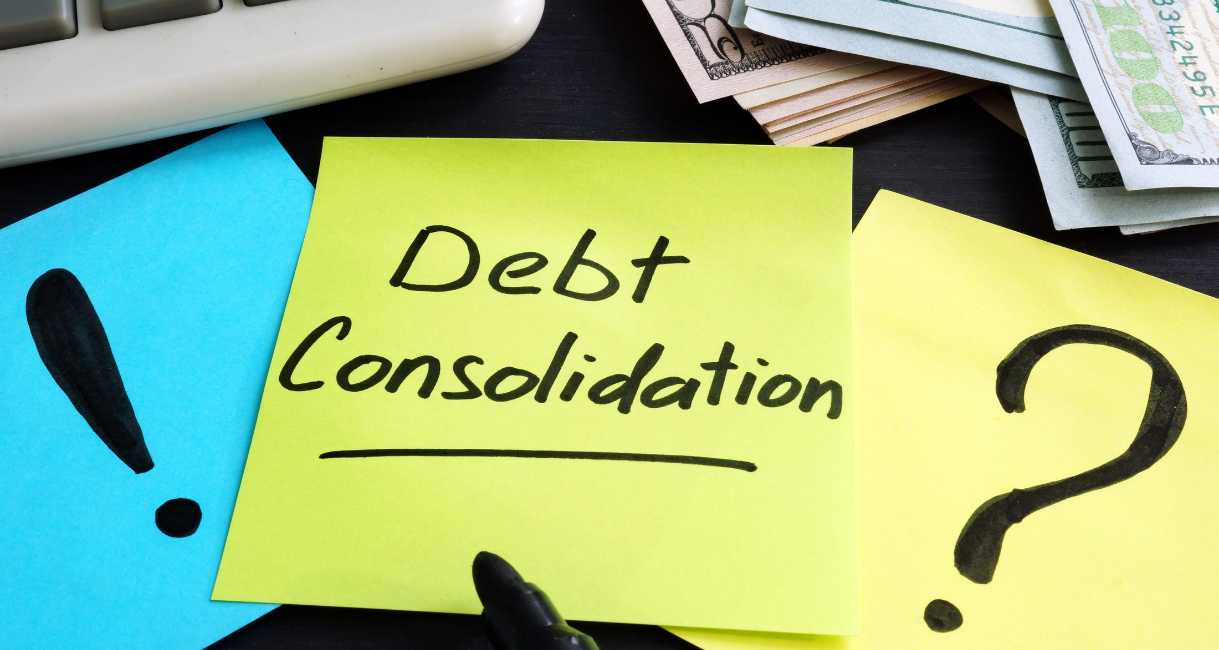
Debt consolidation encompasses various options tailored to meet individual financial circumstances. Understanding these options allows borrowers to make informed decisions that align best with their needs. The principal types of debt consolidation can be classified into secured and unsecured loans, credit card balance transfers, personal loans, and other alternative methods like debt management plans.
Secured versus Unsecured Debt Consolidation Loans
Secured debt consolidation loans are backed by collateral, such as a home or vehicle. This reduces the lender’s risk and may result in lower interest rates. However, the risk for the borrower is significant; failure to repay can lead to loss of the asset used as collateral. Conversely, unsecured loans do not require collateral but typically come with higher interest rates due to increased risk for the lender.
Secured loans can offer lower interest rates, but at the cost of risking personal assets.
Comparison of Credit Card Balance Transfers and Personal Loans, Prestamos de consolidación de deuda
Both credit card balance transfers and personal loans are popular methods for consolidating debt, yet they differ significantly in their operation and implications.
- Credit Card Balance Transfers: This involves transferring existing credit card debt to a new card, often with a promotional low or 0% interest rate for a limited time. It’s essential to read the terms carefully, as high fees can apply if the balance isn’t paid off before the promotional period ends.
- Personal Loans: These loans provide a lump sum that can be used to pay off debts directly. They usually come with fixed interest rates and set repayment terms, allowing for predictable monthly payments.
Choosing between a balance transfer and a personal loan hinges on your ability to repay quickly and your creditworthiness.
Alternative Methods for Consolidating Debt
In addition to loans and balance transfers, several alternative methods can assist in debt consolidation. These options cater to diverse financial needs and situations.
- Debt Management Plans (DMPs): Offered through credit counseling agencies, DMPs involve working with a counselor to create a repayment plan that consolidates multiple debts into a single monthly payment, often at reduced interest rates.
- Debt Settlement: This involves negotiating with creditors to settle debts for less than what is owed. It can significantly affect credit scores and may require a lump sum payment.
- Home Equity Loans or Lines of Credit: Borrowers can use the equity in their homes to consolidate debt, often resulting in lower interest rates but with the risk of losing the home if payments are not maintained.
Exploring all options, including DMPs and debt settlement, can provide tailored solutions to specific financial challenges.
How to Choose the Right Debt Consolidation Loan
Choosing the right debt consolidation loan can significantly impact your financial recovery. It is essential to carefully evaluate various loan offers and select the one that aligns best with your needs and financial goals. This guide provides a structured approach to navigating the loan selection process effectively.
Evaluating Loan Offers
Understanding how to evaluate different loan offers is crucial to securing favorable terms. When comparing loans, consider the following key features that can influence your overall loan experience:
- Interest Rate: The annual percentage rate (APR) affects your total repayment amount. Lower rates can save you money over time.
- Loan Term: The length of the loan can impact monthly payments and the total interest paid. Shorter terms usually mean higher payments but less interest overall.
- Fees: Look for origination fees, prepayment penalties, or other charges that can add to the loan cost.
- Monthly Payment: Ensure that the monthly payment is manageable within your budget to avoid future financial strain.
Key Features to Consider
When selecting a consolidation loan, several key features should guide your decision-making process. Evaluating these features can help ensure that you choose the most beneficial loan:
- Fixed vs. Variable Rates: Fixed rates provide stability, while variable rates can fluctuate, potentially leading to higher costs.
- Access to Funds: Determine how quickly you can access your funds after approval. Some lenders offer quicker disbursement than others.
- Customer Service: Consider the lender’s reputation for customer service, as good support can be invaluable during the repayment process.
- Loan Amount: Ensure that the loan amount meets your needs without leaving you with excess debt.
Negotiating Better Loan Terms
Negotiating loan terms can significantly impact your financial obligations. Use the following tips to enhance your negotiating power with lenders:
- Show Your Creditworthiness: Present your credit score and history to demonstrate your ability to repay the loan. A strong credit profile can lead to better terms.
- Compare Offers: Leverage quotes from multiple lenders to negotiate lower rates or better terms based on competitive offers.
- Ask About Discounts: Inquire about discounts for auto-pay or loyalty programs that some lenders offer which can reduce your interest rate.
- Be Prepared to Walk Away: If a lender is unwilling to meet your needs, be prepared to seek other options. This shows that you are serious about finding the best deal.
Choosing the right debt consolidation loan is more than just finding a low interest rate; it involves evaluating terms, features, and negotiating for the best possible outcome.
Managing Debt Post-Consolidation
Successfully consolidating debt is only the first step towards financial freedom. Maintaining discipline and implementing sound financial practices is crucial in preventing future financial issues. This is where effective management strategies come into play, ensuring you stay on track after consolidating your debts.To maintain a healthy financial status post-consolidation, it’s essential to adopt proactive habits. These practices not only promote responsible financial behavior but also help in monitoring and controlling your spending habits.
Strategies for Financial Discipline
Establishing and adhering to a solid financial plan can significantly impact your ability to manage debt effectively. Here are several strategies that can help you maintain discipline:
- Set a Budget: Create a detailed budget that Artikels your monthly income, fixed expenses, and discretionary spending. This will help you allocate funds appropriately and avoid overspending.
- Track Your Expenses: Regularly monitor your spending habits by keeping a record of all purchases. Use apps or spreadsheets to make tracking easier and identify areas where you can cut back.
- Build an Emergency Fund: Aim to save at least three to six months’ worth of living expenses. This fund acts as a financial cushion, allowing you to handle unexpected expenses without falling back into debt.
- Stick to the Plan: Review your budget frequently, and adjust it as necessary. Consistency is key—make it a habit to check your spending against your budget regularly.
Importance of Budgeting and Monitoring Spending
Budgeting is a foundational aspect of financial stability, particularly after consolidating debt. It allows you to control your finances proactively rather than reactively.
“Budgeting is telling your money where to go instead of wondering where it went.”
Implementing a budgeting system helps identify spending patterns and potential problem areas. Furthermore, it encourages discipline and accountability.
Avoiding Future Debt Accumulation
After consolidating debt, it is imperative to establish a plan to prevent future debt. Here are key steps to avoid falling back into the cycle of borrowing:
- Limit Credit Card Use: Use credit cards sparingly and only for necessary purchases. If possible, keep them stored away to prevent impulse buying.
- Plan for Future Expenses: Anticipate upcoming expenses and incorporate them into your budget to avoid reliance on credit.
- Educate Yourself on Personal Finance: Continuously improve your financial knowledge through books, podcasts, or workshops. Understanding financial principles can lead to better decision-making.
- Seek Professional Advice: Consult financial advisors or credit counseling services if you’re unsure about your financial strategies. Professional insight can provide tailored advice to strengthen your financial plan.
By implementing these strategies and maintaining a disciplined approach, you can successfully manage your finances post-consolidation, paving the way for a more secure financial future.
Case Studies/Examples of Debt Consolidation Success
Debt consolidation can be a powerful financial tool for many individuals seeking to regain control over their finances. By combining multiple debts into a single, more manageable loan, people can experience significant improvements in their financial situations. The following examples illustrate how debt consolidation has positively impacted lives, showcasing real transformations from financial distress to stability.
Individual Success Story: Maria’s Journey
Maria, a 35-year-old teacher, found herself overwhelmed by credit card debt totaling $25,000 due to unexpected medical expenses and lifestyle inflation. After facing high-interest rates on her cards, she decided to consolidate her debts into a single loan with a fixed interest rate of 8%. Prior to consolidation, Maria was making minimum payments, which barely made a dent in her debt.
Her monthly payments averaged $600, leaving little room for savings. After consolidating, her monthly payment dropped to $450, enabling her to allocate the extra funds toward an emergency savings account. Lessons Learned:
- Consolidation allowed Maria to simplify her payments.
- The fixed rate gave her clarity on future payments, easing financial stress.
- She learned the importance of budgeting to avoid falling back into debt.
Family Case Study: The Johnsons’ Transformation
The Johnson family struggled with various loans, including a car loan and multiple credit cards, totaling $40,000 in debt. Their high-interest rates made it difficult to keep up with payments. They opted for a debt consolidation loan at a lower interest rate of 6%.Before consolidation, the Johnsons were paying approximately $800 monthly. Post-consolidation, their payment reduced to $600. The family used this extra cash to implement a stricter budget and prioritize savings.
Outcomes:
- The Johnsons successfully paid off their debt within five years.
- They learned about the importance of living within their means.
- The family’s experience highlighted the value of planning for financial emergencies.
Young Professional Example: David’s Financial Rebirth
David, a 28-year-old recent graduate, found himself with $15,000 in student loans and credit card debt. Facing high-interest rates, he consolidated his debts through a personal loan with an interest rate of 7%. This strategic move brought his monthly payments down from $500 to $350. The reduction allowed David to invest in his future, saving for a home down payment while aggressively paying off his debt.
Key Takeaways:
- David’s success illustrates the value of consolidating high-interest debts.
- He learned effective financial planning and the importance of maintaining a good credit score.
- His proactive approach inspired him to educate peers on debt management.
“Debt consolidation can transform lives, offering a fresh start and a path toward financial freedom.”
Resources for Debt Consolidation: Prestamos De Consolidación De Deuda
Managing debt effectively requires access to reliable resources and support. Fortunately, there are numerous organizations, websites, and community resources dedicated to helping individuals navigate the complexities of debt consolidation. Leveraging these resources can lead to informed financial decisions and a more manageable debt situation.
Reputable Organizations and Websites Offering Debt Consolidation Assistance
Several organizations provide valuable services, guidance, and information for those seeking debt consolidation. Here are some key resources to consider:
- National Foundation for Credit Counseling (NFCC)
-A nonprofit organization that connects consumers with certified credit counselors to help develop personalized debt management plans. - Credit Karma
-A free online resource that offers credit score monitoring, educational articles on debt consolidation, and access to potential lenders. - Consumer Financial Protection Bureau (CFPB)
-A government agency that provides resources to understand debt options, including a guide on debt consolidation loans. - Debt.org
-Offers articles and resources focused specifically on debt management and consolidation, along with calculators to assess personal loans. - MyFICO
-Provides tools and information about credit scores and how they impact consolidation loan eligibility.
Comparison of Different Lenders and Loan Offerings
It is crucial to compare lenders before deciding on a debt consolidation loan. Below is a comparison table showcasing various lenders and their loan offerings:
| Lender | APR Range | Loan Amount | Loan Terms | Minimum Credit Score |
|---|---|---|---|---|
| Lender A | 5.99% – 24.99% | $1,000 – $50,000 | 2 – 5 years | 580 |
| Lender B | 6.99% – 29.99% | $500 – $40,000 | 3 – 6 years | 600 |
| Lender C | 4.99% – 22.49% | $2,000 – $30,000 | 3 – 7 years | 650 |
| Lender D | 7.99% – 33.99% | $1,500 – $25,000 | 2 – 4 years | 580 |
Community Resources Available for Debt Management Support
In addition to online resources, many community organizations offer in-person support for debt management. These local resources often provide workshops, counseling, and financial literacy programs:
- Local Credit Unions
-Many credit unions offer financial education programs and may provide affordable debt consolidation loans. - Community Action Agencies
-These agencies often have programs aimed at assisting low-income individuals with budgeting, financial literacy, and negotiating with creditors. - University Extension Services
-Many universities offer free financial counseling services through extension programs, often run by students under professional supervision. - Religious Organizations
-Some churches and faith-based groups offer support for community members facing financial difficulties, including debt management workshops. - Workplace Financial Wellness Programs
-Employers may provide access to financial advisors or debt management resources as part of employee wellness initiatives.
Detailed FAQs
What is a debt consolidation loan?
A debt consolidation loan is a financial product that combines multiple debts into a single loan, often with a lower interest rate.
Who can benefit from debt consolidation?
Individuals with multiple high-interest debts looking to simplify payments and reduce overall interest costs can benefit from consolidation.
Are there any risks associated with debt consolidation?
Yes, risks include potential fees, the impact on your credit score if loans are not managed properly, and the possibility of accumulating new debt.
How does debt consolidation affect my credit score?
Initially, your credit score may dip due to new credit inquiries, but over time, if managed well, it can improve due to lower credit utilization.
Can I consolidate federal student loans?
Yes, federal student loans can be consolidated through a Direct Consolidation Loan, which may offer different repayment terms.
