Schuldenkonsolidierung Kredite is a powerful tool designed to help individuals regain control over their financial lives. In a world where debts can quickly spiral out of control, consolidation loans offer a lifeline, allowing borrowers to combine multiple debts into a single manageable payment. This process not only simplifies repayment but can also lead to lower interest rates and reduced stress.
By understanding the ins and outs of Schuldenkonsolidierung, including the types of debts eligible for consolidation, the application process, and the potential risks involved, borrowers can make informed decisions. The journey to financial stability begins with knowledge, and this exploration aims to illuminate the path ahead.
Understanding Schuldenkonsolidierung Kredite
Schuldenkonsolidierung, or debt consolidation, is a financial strategy that allows individuals to manage their debts more effectively. By combining multiple debts into a single loan, borrowers can simplify their financial obligations and potentially reduce their overall interest payments. This approach plays a crucial role in personal finance management, particularly for those struggling to keep track of various debts.In the realm of Schuldenkonsolidierung Kredite, various types of debts can be consolidated.
This includes credit card debts, personal loans, medical bills, and even student loans. The key to effective consolidation lies in understanding which debts are eligible and how they can impact an individual’s financial landscape.
Types of Debts for Consolidation
When considering Schuldenkonsolidierung Kredite, it is essential to recognize the types of debts that can be consolidated. This helps borrowers make informed decisions about their financial future. The following are common types of debts that can be consolidated:
- Credit Card Debts: Often characterized by high interest rates, consolidating credit card debts can lead to significant savings.
- Personal Loans: These loans, whether secured or unsecured, can be combined into one manageable payment.
- Medical Bills: With healthcare costs rising, consolidating outstanding medical debts can alleviate financial stress.
- Student Loans: In some cases, federal and private student loans can be refinanced or consolidated under different terms.
Advantages of Schuldenkonsolidierung
Choosing Schuldenkonsolidierung over other debt management options presents several distinct advantages. Understanding these benefits can aid individuals in making sound financial decisions.
Consolidation can lead to lower monthly payments, reduced interest rates, and improved credit scores over time.
The key benefits include:
- Simplified Payments: Combining multiple debts into one loan results in a single monthly payment, making financial management easier.
- Lower Interest Rates: Many borrowers secure loans with lower interest rates during consolidation compared to their existing debts.
- Improved Credit Score: Regular payments on a consolidated loan can positively impact credit scores, enhancing financial credibility.
- Reduced Stress: Fewer accounts to manage can lead to decreased anxiety regarding financial obligations.
The Process of Schuldenkonsolidierung
The journey of Schuldenkonsolidierung, or debt consolidation, involves a systematic approach to managing and reducing multiple debts into a single, more manageable loan. Understanding this process is fundamental for individuals seeking financial relief and stability. With careful planning and informed decisions, one can navigate the complexities of debt consolidation effectively.
Steps Involved in Applying for Schuldenkonsolidierung Kredite
The process of applying for Schuldenkonsolidierung Kredite typically follows a series of well-defined steps. Each step is crucial in ensuring that applicants are well-informed and prepared, ultimately leading to a successful consolidation.
- Assessment of Financial Situation: Begin by evaluating your total debts, income, and expenses. Understanding your financial landscape is essential for determining the right consolidation strategy.
- Researching Options: Investigate various financial institutions and their offerings. It’s important to compare interest rates, terms, and requirements to find the best fit for your needs.
- Choosing a Lender: Select a reputable lender that specializes in Schuldenkonsolidierung Kredite. Consider factors such as customer reviews, transparency, and service quality.
- Submitting Application: Complete the application form provided by the chosen lender. Ensure all sections are filled out accurately to avoid delays.
- Review of Application: The lender will assess your application, verifying your financial information and eligibility for the consolidation loan.
- Loan Offer and Agreement: If approved, the lender will present a loan offer detailing the terms and conditions. Review this carefully before signing the agreement.
- Debt Repayment: Once the loan is disbursed, use the funds to pay off existing debts. This simplifies your financial obligations into a single monthly payment.
Documentation Required for the Application Process
Gathering the necessary documentation is a critical aspect of the Schuldenkonsolidierung process. Proper documentation ensures a smooth application experience and enhances the likelihood of approval.Here is a list of essential documents typically required:
- Identification: A government-issued ID such as a passport or driver’s license to verify your identity.
- Proof of Income: Recent pay stubs, tax returns, or bank statements that provide evidence of your earnings.
- Debt Statements: Statements from creditors detailing the outstanding balances on your debts.
- Credit Report: A recent copy of your credit report to give lenders insight into your creditworthiness.
- Monthly Budget: A breakdown of your income and expenses to demonstrate your financial situation.
Role of Financial Institutions in the Consolidation Process
Financial institutions play a pivotal role in the Schuldenkonsolidierung process, acting as facilitators of the debt consolidation loans. Their responsibilities encompass various functions that can significantly influence the outcome for borrowers.Financial institutions typically provide:
- Credit Evaluation: They assess the creditworthiness of applicants to determine eligibility for consolidation loans.
- Loan Structuring: Institutions offer tailored loan products that suit individual financial situations, including interest rates and repayment terms.
- Financial Advice: Many lenders provide guidance on the best practices for managing debt and improving financial health.
- Customer Support: Dedicated teams assist borrowers throughout the application process, answering queries and resolving issues.
- Monitoring and Reporting: After disbursing the loan, institutions may monitor repayment progress, providing updates to help borrowers stay on track.
“The key to successful Schuldenkonsolidierung lies in the collaboration between the borrower and financial institutions, fostering a pathway towards financial recovery.”
Interest Rates and Terms
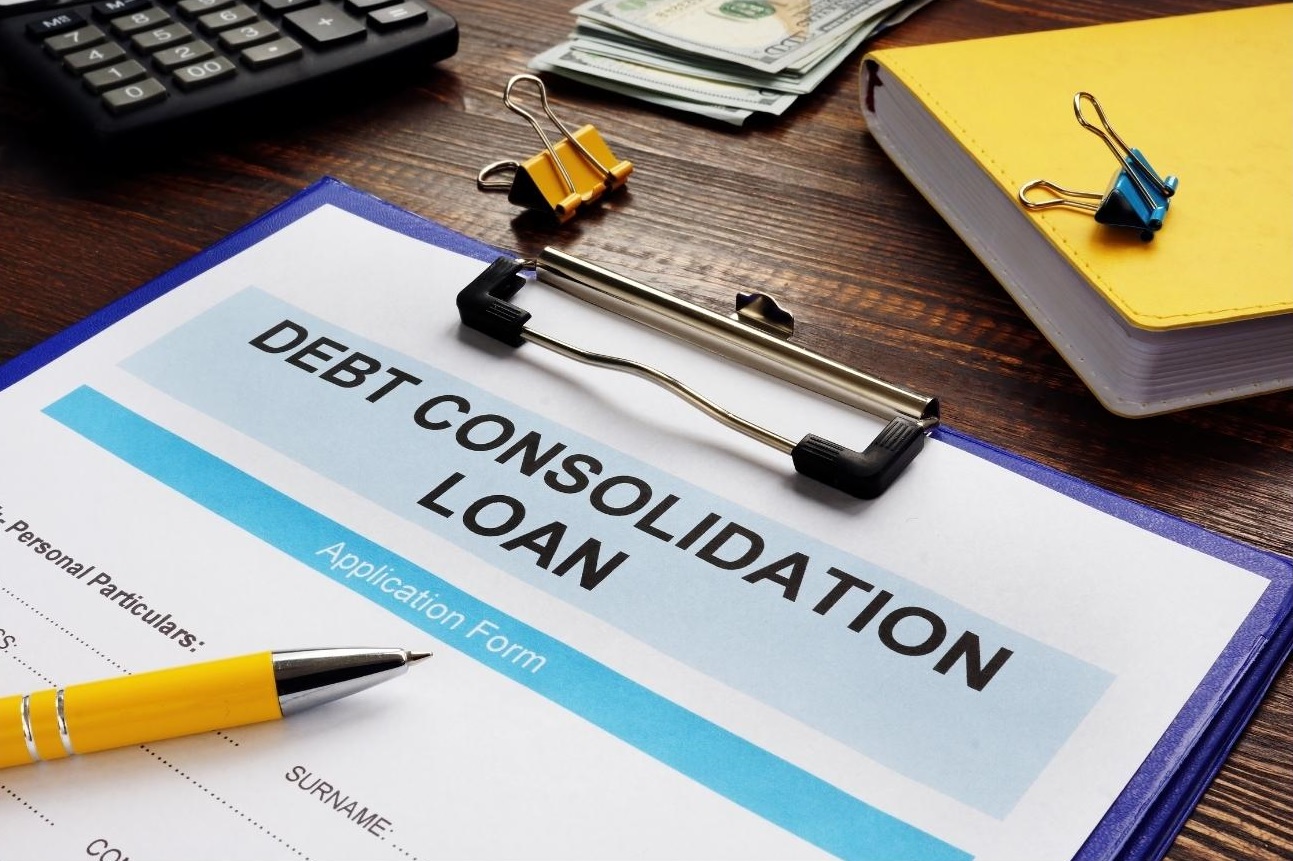
When considering Schuldenkonsolidierung Kredite, understanding the various interest rates and terms available is crucial. Different lenders offer a range of rates based on several factors, including the borrower’s credit profile and the overall economic environment. This knowledge is essential for making informed decisions about loan options for debt consolidation.The interest rates for Schuldenkonsolidierung Kredite can vary significantly, depending on the lender, the borrower’s creditworthiness, and market conditions.
Generally, these loans can come with fixed or variable rates, each having its implications for repayment stability and costs over time.
Comparison of Interest Rates from Various Lenders
Interest rates are a key factor in determining the overall cost of a Schuldenkonsolidierung Kredit. Here’s a breakdown of common interest rates offered by lenders:
- Bank Lenders: Typically offer rates ranging from 4% to 8%, depending on the borrower’s credit score and financial history.
- Credit Unions: Generally provide lower rates, averaging between 3% and 6%, as they are member-focused and often have more flexible lending criteria.
- Online Lenders: Rates can vary widely from 5% to 12%, but they may offer faster approval processes and less stringent requirements for borrowers with good credit.
- Peer-to-Peer Lenders: These platforms might offer rates from 6% to 10%, often more favorable for borrowers with solid credit histories.
Typical Terms Associated with Schuldenkonsolidierung Kredite
The terms of Schuldenkonsolidierung Kredite can influence monthly payments and the total interest paid over the loan’s lifetime. Common terms range from 3 to 7 years, with the following characteristics:
- Shorter Terms (3-4 years): Higher monthly payments but lower total interest paid. Ideal for borrowers looking to pay off debt quickly.
- Medium Terms (5 years): A balanced approach, offering moderate monthly payments and total interest costs.
- Longer Terms (6-7 years): Lower monthly payments but higher overall interest costs. Suitable for those needing flexibility in cash flow.
Impact of Credit Scores on Loan Rates
Credit scores play a pivotal role in determining the interest rates available for Schuldenkonsolidierung Kredite. Generally, a higher credit score can lead to more favorable loan terms, while lower scores may result in higher rates or even loan denials. Here’s how credit scores affect loan opportunities:
- Excellent Credit (750+): May qualify for the lowest interest rates, often below 5%.
- Good Credit (700-749): Generally eligible for competitive rates, usually between 5% and 7%.
- Fair Credit (650-699): May face higher rates, often exceeding 7%, depending on the lender.
- Poor Credit (<650): Could struggle to find lenders willing to offer consolidation loans or may receive very high rates upwards of 10%.
Understanding your credit score is essential for obtaining the most favorable rates on Schuldenkonsolidierung Kredite.
Risks and Considerations: Schuldenkonsolidierung Kredite

Schuldenkonsolidierung Kredite, while providing potential relief for borrowers, comes with its own set of risks and considerations that must be carefully evaluated. Understanding these factors is crucial in making an informed decision about whether debt consolidation is the right path to financial stability.
Potential Risks of Schuldenkonsolidierung Kredite
Consolidating debts can be beneficial, but it also carries risks that borrowers should be aware of. Understanding these risks helps individuals make informed financial decisions. Key risks include:
- Increased Total Interest Payments: Depending on the loan terms, consolidating high-interest debts into a lower-interest loan may lead to a longer repayment period, resulting in paying more in interest over time.
- Loss of Benefits: Some debts, such as student loans, may offer benefits like deferment or forgiveness programs that are lost upon consolidation.
- Possibility of Accumulating More Debt: Simplifying payments can lead to a false sense of financial stability, encouraging borrowers to continue accruing debt on their credit cards or other loans.
- Impact on Credit Score: While consolidation can improve credit utilization, the process may initially lower credit scores due to hard inquiries or increased debt-to-income ratios.
Common Pitfalls Faced by Borrowers
Many borrowers encounter common pitfalls when exploring debt consolidation. Recognizing these can help avoid costly mistakes. Consider the following:
- Not Fully Understanding Terms: Borrowers often fail to grasp the full implications of interest rates, fees, and terms, leading to unexpected burdens later.
- Ignoring the Root Causes of Debt: Focusing solely on consolidation without addressing spending habits or budgeting can lead to repeating the cycle of debt.
- Choosing the Wrong Type of Consolidation: Selecting a type of loan that does not align with one’s financial situation may exacerbate existing issues rather than alleviate them.
- Overlooking Fees and Costs: Many consolidation loans come with hidden fees that can negate the financial benefits of consolidating debts.
Assessing the Suitability of Schuldenkonsolidierung
Determining if Schuldenkonsolidierung is the right choice requires a thorough assessment of one’s financial situation. Essential factors to consider include:
- Current Debt Levels: Evaluating total debt and understanding how consolidation can affect overall payment obligations is critical.
- Monthly Budget Evaluation: Analyzing monthly income versus expenses helps determine whether consolidation will improve cash flow.
- Credit Score Impact: Understanding how consolidation will affect credit scores can guide decisions regarding loan options.
- Long-term Financial Goals: Assessing personal financial goals ensures that the consolidation aligns with achieving overall financial wellness.
Alternative Debt Management Strategies

Exploring various methods for managing debt can be crucial for financial health. While Schuldenkonsolidierung Kredite focuses on consolidating debts into a single loan, it’s vital to understand other strategies such as debt settlement, bankruptcy, and the support offered by debt counseling services. Each method comes with its own set of advantages and disadvantages that can impact your financial future.
Comparison with Debt Settlement and Bankruptcy
Understanding the nuances of debt settlement and bankruptcy in relation to Schuldenkonsolidierung Kredite is essential for making informed decisions. Debt settlement involves negotiating with creditors to reduce the total amount owed, while bankruptcy is a legal process that discharges most debts, allowing for a fresh start. In contrast, Schuldenkonsolidierung aims to simplify multiple debts into one manageable loan with a single payment.Here’s a breakdown of these strategies:
Debt Settlement
Debt settlement is an option that may appeal to those who can afford to pay a reduced amount. The process typically requires a lump-sum payment that is less than the total owed.Pros:
- Potentially lower total debt burden.
- Can resolve debts quicker than other methods.
- May improve credit score after settlement.
Cons:
- Can negatively impact credit scores during negotiation.
- Creditors are not obligated to settle.
- May incur fees from settlement companies.
Bankruptcy
Bankruptcy can provide relief for those overwhelmed by debt, allowing individuals to eliminate or restructure their debts.Pros:
- Legal protection from creditors.
- Can discharge many types of unsecured debt.
- Opportunity for a fresh financial start.
Cons:
- Severe impact on credit scores for years.
- Limits future borrowing capacity.
- Not all debts can be discharged (e.g., student loans, taxes).
Debt Counseling Services
Debt counseling services provide expert guidance in managing debts and improving financial literacy. These services can be a valuable resource for individuals unsure of which path to choose.Debt counselors work with clients to assess their financial situation and create a personalized plan that often includes budgeting, negotiating with creditors, and exploring different debt management options.Benefits of using a debt counseling service include:
- Expert advice tailored to individual circumstances.
- Assistance in negotiating payment plans with creditors.
- Education on managing finances to prevent future debt.
While exploring these alternatives, it’s essential to weigh the benefits and drawbacks of each strategy. This evaluation will guide you in selecting the most suitable approach to achieving financial stability while considering your long-term financial health.
Success Stories
Achieving financial stability through debt consolidation is not only possible but has been successfully done by many individuals. These stories highlight the transformative power of Schuldenkonsolidierung Kredite in overcoming financial challenges and regaining control over one’s financial future.
The journey of debt consolidation often inspires others to take action and seek similar resolutions. Below are several compelling case studies and testimonials from individuals who found relief after consolidating their debts. Their experiences provide insights into the emotional and financial benefits garnered from this process.
Case Studies of Successful Debt Consolidation
Learning from those who have successfully navigated the consolidation process can provide hope and direction. Here are notable examples:
“After consolidating my debts, I felt a weight lifted off my shoulders. I can finally sleep at night!”
– Jessica, 32
1. Jessica’s Journey
Jessica found herself overwhelmed by multiple credit cards and a personal loan, all with high-interest rates. After consolidating her debts into a single loan with a lower interest rate, she was able to reduce her monthly payments significantly. The emotional relief she experienced was immense, as she regained control over her finances and could start saving for her future.
“Going through debt consolidation was like seeing the light at the end of a long tunnel.”
– Michael, 45
2. Michael’s Experience
Michael had accumulated debt due to unexpected medical expenses and was struggling to keep up with his payments. By opting for Schuldenkonsolidierung Kredite, he managed to lower his overall debt burden, allowing him to focus on other financial goals such as building an emergency fund. His testimonial emphasizes the peace of mind achieved through this financial strategy.
Emotional and Financial Relief
The emotional impact of successfully consolidating debt can be significant. Many individuals report a profound change in their outlook on life and finances. Below are key emotional and financial benefits experienced:
Reduction in Stress
The relief from managing multiple payments and interest rates often translates into reduced anxiety and stress levels.
Clarity in Financial Planning
With a single payment to manage, individuals can better plan their budgets and savings goals.
Improved Relationships
Financial stress can strain personal relationships; consolidating debt often leads to improved communication and collaboration between partners.
Lessons Learned from Successful Debt Consolidation
The experiences of individuals who have successfully consolidated their debts offer valuable lessons. Here are essential takeaways:
Acting Early
Many successful individuals noted the importance of addressing debt issues promptly before they became overwhelming.
Researching Options
Thorough research and understanding of various consolidation options led to better financial decisions.
Commitment to Budgeting
A commitment to maintaining a budget post-consolidation was crucial for long-term success.
These success stories illustrate that with the right approach, Schuldenkonsolidierung Kredite can be a powerful tool for achieving financial stability and peace of mind.
Questions Often Asked
What is Schuldenkonsolidierung Kredite?
It refers to the consolidation of debts into a single loan, making it easier to manage payments and potentially reduce interest rates.
Who can benefit from Schuldenkonsolidierung Kredite?
Anyone struggling with multiple debts or high-interest rates can benefit from this option to simplify their financial obligations.
What types of debts can be consolidated?
Most unsecured debts, such as credit card debts, personal loans, or medical bills, can typically be consolidated.
Are there risks involved with Schuldenkonsolidierung Kredite?
Yes, potential risks include accumulating more debt if spending habits do not change and fees associated with the consolidation process.
How does one apply for Schuldenkonsolidierung Kredite?
The application process generally involves providing documentation of current debts, income, and credit history to lenders.
